How to Inspect Your Car after an Accident: 10 Things to Check
- By admin
- Automobile
- Dec 31, 2025
- 0 Comments
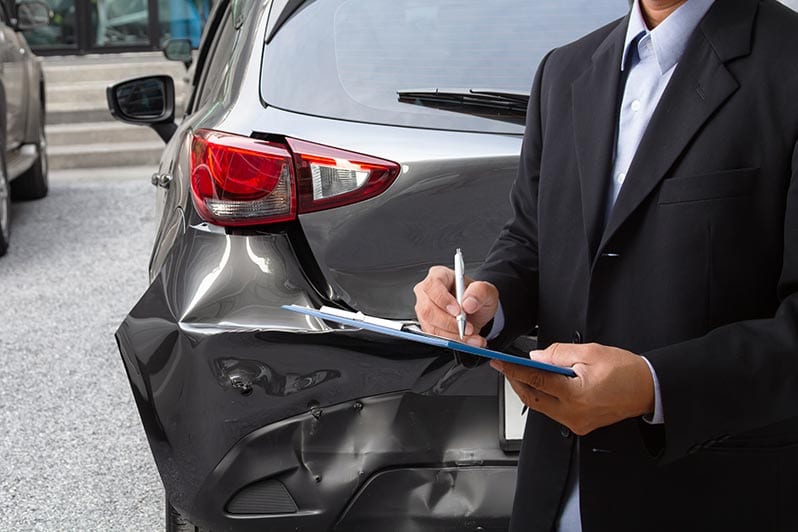
Being in a car accident can be stressful, even if it’s a minor one. While visible damage is easy to spot, some problems aren’t obvious right away. Inspecting your car carefully after an accident helps keep you safe, prevents further damage, and ensures accurate repair and insurance claims. Use this checklist to know what to look for before getting back on the road.
1. Check for Visible Exterior Damage
Start by walking around your vehicle.Look for dents, scratches, cracks, or loose parts on the bumper, doors, hood, and trunk. Even small damage can hide bigger issues underneath.
2. Inspect the Frame and Alignment
If your car pulls to one side, sits unevenly, or the steering wheel feels off-centre, there may be frame or alignment damage. Structural problems can affect safety and should be checked by a professional immediately.
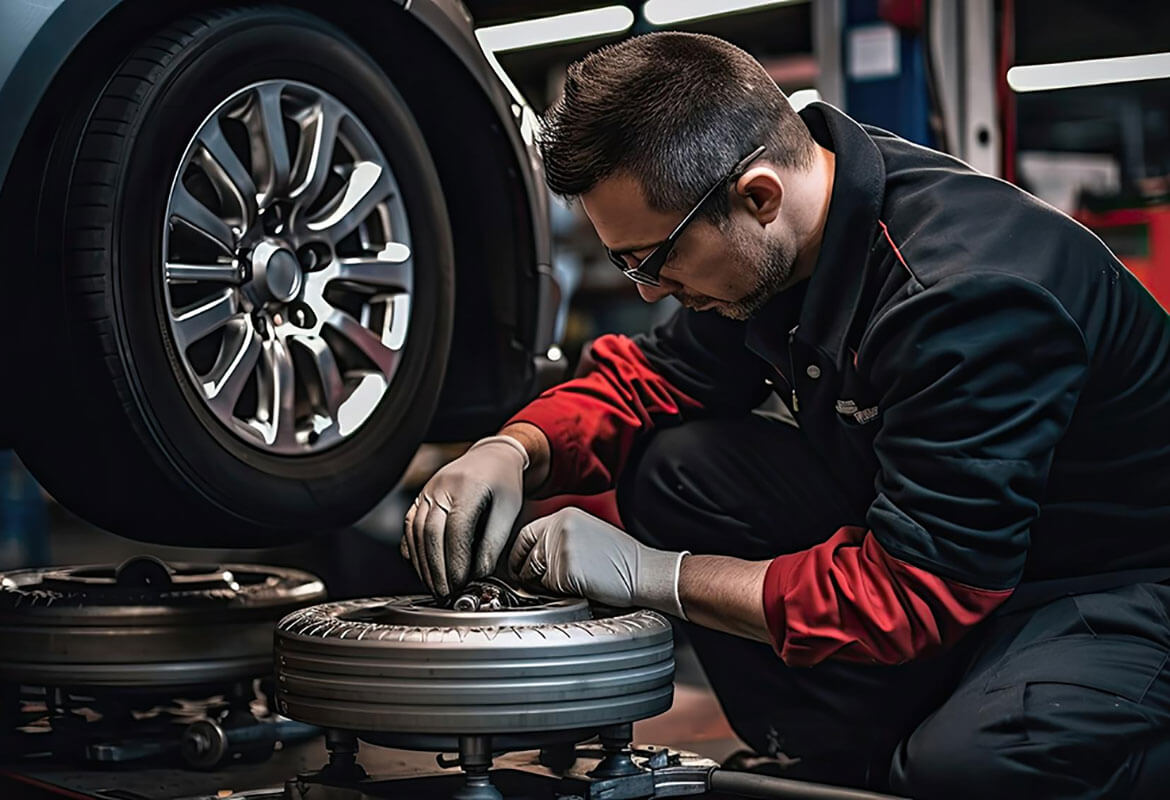
3. Examine Tires and Wheels
Look for flat tires, sidewall bulges, cracks, or bent rims. Damage to tires or wheels can make driving unsafe and may worsen if ignored.
4. Check Under the Car for Leaks
After an accident, fluid leaks are common. Look under the car for oil, coolant, brake fluid, or transmission fluid.Leaks often signal mechanical damage that needs quick attention.
5. Test the Lights and Signals
Make sure headlights, brake lights, turn signals, and hazard lights all work properly. Broken or malfunctioning lights are a safety risk and may be illegal to drive with.
6. Inspect the Windshield and Windows
Examine the glass and windshield for chips or cracks. Even small cracks can spread over time and reduce visibility, especially while driving at night or in bad weather.
7. Check the Interior and Safety Features
Look inside the car for deployed airbags, damaged seatbelts, or loose interior panels.If airbags deployed, the car should not be driven until they are replaced and the system is reset.
8. Pay Attention to Warning Lights
Start the car and check the dashboard.Warning lights such as the check engine light, airbag light, or ABS light may indicate hidden problems caused by the accident.
9. Listen and Feel While Driving
Take a quick test drive to make sure it is safe to drive. Keep an ear out for odd sounds like screaming, rattling, or grinding. Be mindful of steering behaviour, brake response, and vibrations.
10. Get a Professional Inspection
Even if everything seems fine, it’s best to have a qualified mechanic inspect your car after an accident. Professionals can identify hidden damage that could affect safety or lead to costly repairs later.
Final Thoughts
Inspecting your car after an accident is not just about appearance—it’s about safety. Taking the time to check these ten areas can help prevent future problems, protect your investment, and ensure your vehicle is safe to drive. When in doubt, always consult a professional.