From Tow to Handover: Collision Repair Process Timeline
From Crash Scene Stress to Repair Confidence
A collision on Sydney roads can turn a normal day upside down in seconds. You are dealing with traffic, other drivers, police, and shock, all while worrying about how you will get to work, school runs, or weekend plans. On top of that comes the big question: what happens to your car next?
Knowing the full timeline of comprehensive car collision repair helps take some of that fear out of the unknown. When you understand each stage, from the tow truck, through to the keys being handed back, it is easier to talk with your insurer, plan your week, and feel confident that your car will be safe again.
As we head into spring, with wetter roads, sudden storms, and longer twilights, prangs and nose-to-tail crashes often increase. A clear, step-by-step view of the repair process gives you a sense of control at a time when you might feel like you have none.
From Tow Truck to Workshop Intake
Right after a crash, once everyone is safe and emergency services are taken care of, the next step is moving the car. Some cars can be driven, but many need a tow. This is where choosing where the car goes, instead of just letting it be taken to any yard, can save time later.
Here is what usually happens at the start:
- Tow truck collects your car from the scene or holding yard
- Car is taken straight to a repair workshop you choose, if your insurer allows it
- You swap details with the driver and your insurer so everyone knows where the car is
At workshop intake, the administrative side begins. The team will usually:
- Record your details, claim number, and insurer
- Take photos of any visible damage
- Note the odometer and any personal items in the car
- Store the car securely, under cover where possible
Early checks are done to spot obvious safety issues, such as fluid leaks, deployed airbags, loose wheels, or structural damage that is easy to see. At this stage, a skilled repairer can often give a rough idea whether the car looks repairable or may be a write-off, so your expectations are set early, even before formal approval.
Assessment, Quoting and Insurance Approvals
Once the car is safely in the workshop, the proper assessment begins. This is more than just looking at the dents on the outside. A thorough check will usually cover:
- Exterior panels and gaps
- Structural points, chassis rails, and underbody
- Suspension, steering, and cooling systems
- Electrical wiring and lighting
- Safety systems, such as airbags and seatbelts
Modern measuring systems and scan tools help find hidden damage that the eye can miss. This matters for handling, braking, and how the car protects you in any future crash.
From that assessment, an itemised quote is built. It normally includes:
- Labour for panel beating, pulling, and reassembly
- Labour and materials for paintwork
- Parts, either genuine or quality aftermarket where suitable
- Any specialised work, such as glass or electronics checks
On the insurance side, the repairer will send through images, notes, and the estimate to your insurer or their assessor. There can be a bit of back and forth here, which is why this stage often sets the overall timing.
You can help keep things moving by:
- Providing your claim number as soon as you get it
- Staying contactable for questions or approvals
- Knowing if you have the right to choose your own repairer under your policy
Parts Sourcing, Structural Alignment and Panel Repair
When repairs are approved, the next job is getting the right parts and starting the heavy work. Parts sourcing is a mix of:
- Genuine parts where required by policy or preference
- Quality aftermarket or OEM-equivalent parts where suitable
- Local stock where possible, or back-ordered items if supply is tight
During busy pre-holiday periods, parts can sometimes take longer to arrive. Good communication at this stage helps, so you know if a bumper, sensor, or headlight is holding up the timeline.
If the collision has bent anything structural, the car will go onto a bench or measuring system. Structural alignment is about bringing the body back to factory dimensions. This affects:
- How the car absorbs and spreads impact in another crash
- Airbag timing and performance
- How straight the car tracks and steers
Panel beating and replacement come next. Repairers will decide whether to repair or replace each panel based on:
- The level and location of damage
- Access to the back of the panel
- Any rust or signs of older poor repairs
- Manufacturer guidance for that area of the car
This is the stage where patience pays off. If the body lines, curves, and gaps are not right before paint, the final result will never look or perform as it should.
Paint Perfection, Electronics and Safety Calibration
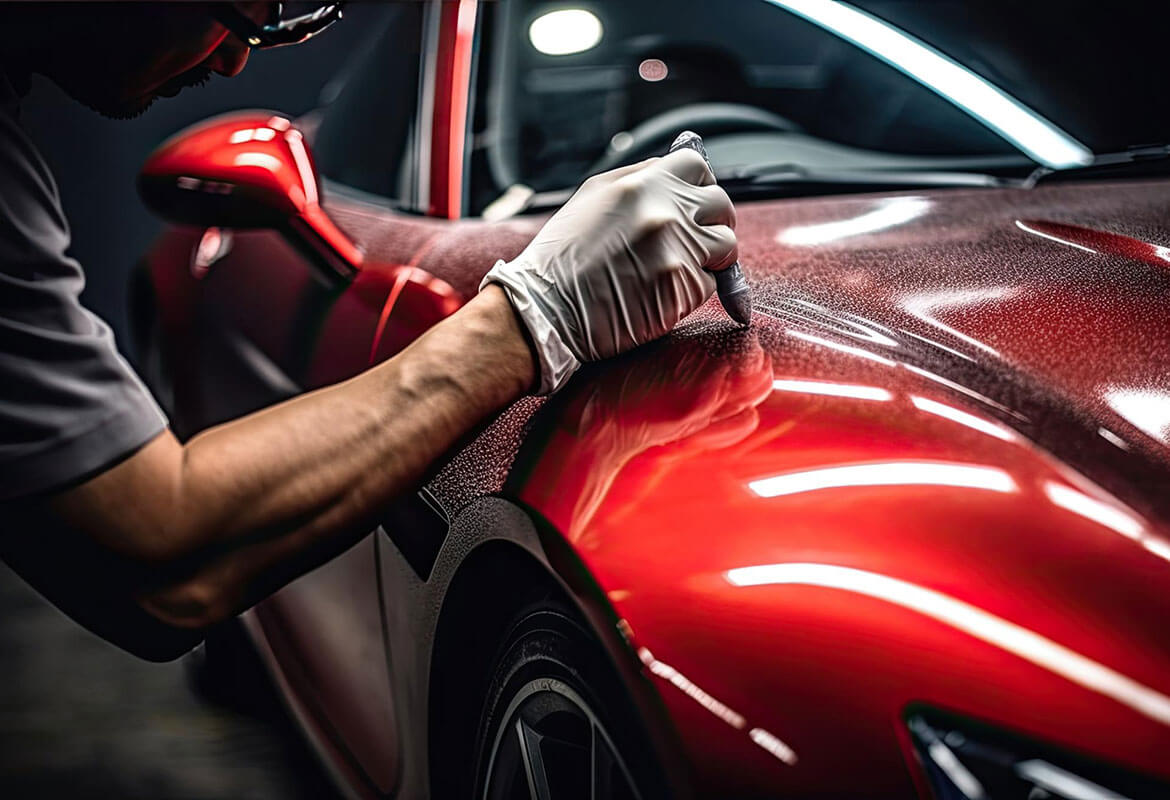
Once the body is straight and panels are fitted, it is time for paint. This is a multi-step process:
- Sanding and surface preparation
- Applying primer and letting it cure
- Mixing colour to match the manufacturer code
- Test cards and visual checks in different light
- Blending into nearby panels for a seamless look
The car then heads into a spray booth, where temperature and airflow are controlled for a clean, long-lasting finish.
Modern cars carry a lot of electronics that sit behind the shiny parts. Bumpers, grilles, windscreens, and mirrors can hide:
- Parking sensors
- Radar units for adaptive cruise and braking
- Cameras for lane keep assist and reverse-view systems
- Blind spot monitors and cross-traffic sensors
After any collision repair that touches these areas, the car should be scanned and, if needed, calibrated. This can include:
- Reading and clearing fault codes
- Static calibrations using special targets in the workshop
- Dynamic calibrations during a controlled road drive
True comprehensive car collision repair is about more than paint and body lines. The car must drive straight, stop properly, and all driver-assist features should work as designed.
Final Quality Checks and Confident Handover
Before you get your keys back, a good workshop will run through internal quality checks. These usually include:
- Checking panel gaps, shut lines, and trim fitment
- Inspecting paint under different light and angles
- Confirming fluid levels and warning lights
- Verifying calibration and scan reports are complete
The car is then cleaned inside and out. A light detail, vacuum, and wash help remove dust and give you that fresh, cared-for feel. Any overspray, tape, or tools are removed so the car feels ready to go, not like it just left a building site.
During handover, the team should:
- Walk around the car with you and explain what was repaired
- Point out any replaced parts
- Share any paperwork for insurance and calibrations
- Give simple advice on caring for fresh paint, such as gentle washing and avoiding harsh chemicals in the first weeks
Good workshops back their workmanship and are happy to hear from you if worries pop up later, such as new noises, warning lights, or marks in the finish. Spring storms, bird droppings, and strong sun can be tough on new paint, so soft washing, quick clean-ups, and shaded parking where possible will help keep things looking good longer.
Drive Away Informed and Protected
Knowing the full repair path, from tow truck through to final polish, turns a stressful event into a clear set of steps. You understand why certain stages take time, what your insurer and repairer are doing behind the scenes, and how each part of the process helps keep you and your passengers safer on the road.
Keeping the details for a trusted smash repair team saved in your phone means that if a crash happens, you are not making big decisions while stressed on the side of the road. With a clear plan, you can move from chaos at the crash scene to confidence at handover, with your car repaired, checked, and ready to get you back to daily life around Sydney.
Restore Your Vehicle’s Safety And Appearance With Expert Repairs
If your car has been in a prang, we can manage everything from minor panel damage to major structural work with our comprehensive car collision repair service. At Sydney Smash Solutions, we use quality parts and proven repair methods to get you back on the road with confidence. Reach out today to discuss your repair needs or book an assessment via our contact page.